






Commercial rubbish removal Royal Brompton Hospital area
Posted on 27/08/2026
Commercial Rubbish Removal Royal Brompton Hospital Area
If you run a business, manage a property, or oversee a workspace near Royal Brompton Hospital, rubbish has a way of appearing at the worst possible time. One day it is packaging and old shelving; the next it is broken office furniture, trade waste, or a pile of mixed junk that is getting in the way of work. Commercial rubbish removal in the Royal Brompton Hospital area is about dealing with that waste quickly, safely, and in a way that keeps your premises tidy, compliant, and workable.
That sounds straightforward. In practice, it is rarely just a "load and go" job. Access can be tight, collections need to be timed around staff, patients, customers, or deliveries, and the waste itself may need sorting before it can leave the site. This guide explains how the service works, what to expect, what to avoid, and how to choose the right approach for your business without making a fuss of it.
For readers comparing related services, it can also help to understand the broader range of support available through the full service overview and the local options listed in our services.
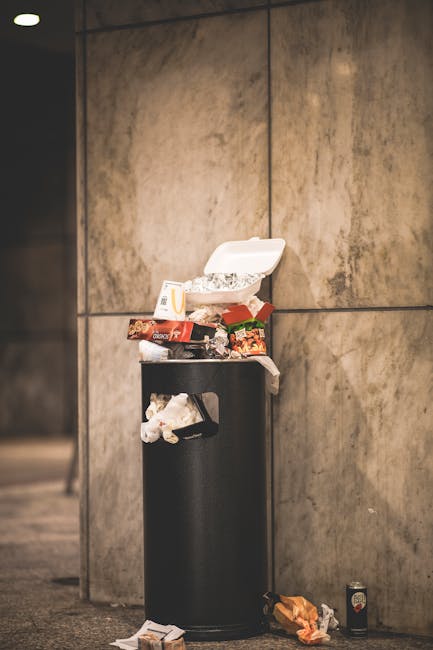
Why Commercial rubbish removal Royal Brompton Hospital area Matters
Commercial waste is not the same as household rubbish. Businesses generate different materials, different volumes, and different risks. In an area like Royal Brompton Hospital, where foot traffic can be high and access can be sensitive, waste management becomes a practical part of day-to-day operations rather than an afterthought.
Why does that matter so much? Because rubbish left too long can create a chain reaction. It gets in the way of staff, affects presentation, can produce odours, and may even make a space less safe to move around. For offices, clinics, shops, landlords, builders, and hospitality venues, that can quickly become a reputational problem as well as an operational one. Truth be told, nobody remembers the tidy skip; they remember the overflowing bin bag by the entrance.
There is also the local reality of central London. Parking is rarely generous, buildings can have awkward stairwells, and some jobs need careful timing to avoid disrupting neighbouring businesses or sensitive operations. That is one reason many customers prefer a managed collection rather than trying to piece together disposal themselves.
Expert summary: Commercial rubbish removal in the Royal Brompton Hospital area works best when it is planned around access, waste type, and timing. The right service saves staff time, reduces risk, and keeps business premises clear without drama.
If you are dealing with frequent general waste, mixed junk, or one-off clearances after a refurb, a dedicated rubbish removal service in Brompton is often the most flexible starting point. For larger property resets, waste clearance support can be a better fit.
How Commercial rubbish removal Royal Brompton Hospital area Works
The process is usually simpler than people expect, but there are a few moving parts. A good commercial collection starts with identifying what needs to go. Mixed office clutter, cardboard, broken furniture, renovation debris, and garden cuttings all behave differently once loaded, sorted, and transported. Some items can be recycled easily; others need separate handling.
Most jobs follow a pattern:
- Initial enquiry: You describe the waste, the access conditions, and your preferred timing.
- Assessment: The provider estimates load size, labour needed, and whether any items require special handling.
- Arrival and loading: The team comes to the site, lifts the waste, and clears it from the premises.
- Sorting and disposal: Items are separated where possible for reuse, recycling, or appropriate disposal.
- Completion and sign-off: The area is left clear and ready to use again.
In busy parts of London, the loading stage matters more than people realise. A collection that looks quick from the outside can be slowed down by a narrow corridor, a locked service door, or a no-parking stretch outside. That is why clear instructions at the start are so helpful. Save everyone the guesswork.
For businesses with predictable waste streams, a standing arrangement may make sense. For one-off events, refurbishments, or end-of-lease clear-outs, a flexible collection is usually easier. If your site is near older streets or mixed-use buildings, local knowledge helps; it is the difference between a smooth pickup and a lot of waiting around.
Key Benefits and Practical Advantages
There is a reason commercial rubbish removal keeps getting chosen over DIY disposal. Actually, several reasons.
- Time saved: Staff stay focused on the business instead of spending hours moving bags, desks, and rubble.
- Safer working environment: Clear floors, corridors, and entrances reduce trip hazards and blockages.
- Better presentation: Clean premises look more professional to visitors, clients, and inspectors.
- Flexible load handling: Mixed waste, bulky items, and awkward one-off items can usually be managed in one visit.
- Less disruption: Collections can be scheduled to fit around opening hours or quieter periods.
- Improved recycling outcomes: Waste is more likely to be sorted properly when handled by people who do this every day.
There is also a quieter benefit: peace of mind. You are not left wondering whether the back room is becoming a fire risk, or whether those broken chairs are going to sit there for another month. A clear site is a calmer site. Simple, really.
For landlords and managing agents, the value can be even more obvious. A rapid house clearance in Brompton can be useful where business use overlaps with residential units, while a more office-focused approach may suit teams that need office clearance support after a move, downsizing, or fit-out.
Who This Is For and When It Makes Sense
Commercial rubbish removal in the Royal Brompton Hospital area is relevant to more people than you might first think. It is not just for large businesses with loading bays and estate teams. Smaller operations often need it just as much, sometimes more.
Common users include:
- offices clearing old desks, chairs, packaging, or paper waste
- shops and showrooms dealing with stockroom clutter or display changes
- builders and contractors removing renovation debris
- landlords and letting agents clearing left-behind items between tenancies
- clinics and professional practices that need tidy, discreet collections
- cafes, hospitality venues, and event spaces handling bulky waste
- property managers looking after shared or commercial premises
It makes sense when waste is too bulky for ordinary bins, too much for your team to handle safely, or too mixed to sort yourself without taking on more work than it is worth. You will also want support when speed matters, such as before an inspection, a handover, a renovation, or a new opening date. Nobody wants builders waiting around for old rubbish to be moved before they can start.
If your work involves ongoing construction waste, a dedicated builders waste disposal service is often the more practical choice. For exterior upkeep, garden waste removal can be added when outdoor areas or planted spaces need attention.
Step-by-Step Guidance
If you want the cleanest possible result, a little preparation goes a long way. Here is the simplest way to approach a commercial clearance in this area.
- Identify the waste categories. Separate general rubbish, furniture, cardboard, building debris, and anything that may need special handling.
- Estimate volume honestly. A few bags can become a van-full very quickly once boxes are flattened and bulky items are included.
- Check access details. Note lifts, stairs, entry codes, loading restrictions, and where the team can safely stop.
- Decide on timing. Early morning, lunchtime, or after-hours collections may reduce disruption.
- Clear the route. Move items away from fire exits, customer paths, and fragile stock.
- Confirm what stays. This sounds obvious, but it is where mistakes happen. Label anything that should not be removed.
- Review the finish. After collection, walk through the site and make sure nothing important has been taken by accident.
That last step matters more than people think. In a rushed environment, a laptop dock, a filing box, or an item tucked under a table can be missed. A quick final check prevents the awkward phone call later. We have all had one of those moments, and yes, they are annoying.
For busy streets and time-sensitive collections, reading a local example such as same-day rubbish removal near Old Brompton Road can help you picture how flexible a well-planned collection can be. If your site involves tenancy turnover or a mixed-use property, this Brompton Road clearance guide is also worth a look.
Expert Tips for Better Results
Over time, a few habits consistently make commercial waste jobs easier and cheaper to manage. The biggest one is sorting at source. If staff have a clear place for cardboard, soft plastics, and general rubbish, the collection becomes faster and usually more efficient. Sounds basic, but it works.
Another useful habit is to photograph the waste before booking. That helps avoid misunderstandings about volume, and it gives everyone a shared reference. If the space is awkward, take a picture of the access route too. One photo can save a lot of back-and-forth.
It also helps to think in terms of business rhythm. A retail site may need an early collection before customers arrive. An office might prefer an end-of-day pickup when staff are already leaving. A clinic or hospital-adjacent workspace may need very discreet timing. The best service is not necessarily the fastest; it is the one that fits the day properly.
Two more small but useful points:
- Keep a short note of any repeat waste patterns so future bookings are easier.
- Ask how recyclable materials are handled, especially if your business wants to improve its sustainability practices.
That last bit matters more and more. Businesses are paying closer attention to waste habits, and rightly so. If you want to understand how material is handled after collection, the recycling and sustainability approach is a useful place to start.

Common Mistakes to Avoid
Commercial rubbish removal is straightforward once you know the traps. The most common mistake is underestimating how much waste there really is. Small piles tend to hide a lot. Once you start pulling things from cupboards, under desks, or out of storage corners, the volume often doubles. It happens every week.
Another mistake is mixing everything together and hoping it will sort itself out. It might, but that usually takes longer and can make the job less efficient. Some items are better separated before the team arrives, especially if there are recyclable materials or bulky items that should not be crushed under lighter waste.
People also forget to check site access. A vehicle might not be able to stop where you think it can, or a building may require prior notice for collections through side entrances. On a busy London street, that can turn a tidy plan into a scramble. Not ideal.
A few more to watch out for:
- leaving the booking too late before a deadline
- failing to label items that must not be removed
- assuming every item can go in one load without asking
- not telling staff where the collection will happen
- choosing based on price alone and ignoring service quality
That last one is a classic. Cheaper is not always cheaper if the job has to be redone. A sensible price, clear communication, and careful handling usually save money in the long run.
Tools, Resources and Recommendations
You do not need a complicated toolkit for commercial rubbish removal, but a few practical items can make the process much smoother. Bin liners, marker pens, tape, a simple checklist, and a camera phone are often enough to organise most clearances. If the job is larger, a small hand trolley, gloves, and route labels can help keep the team moving safely.
From a planning point of view, these resources are especially useful:
- Site map or floor plan: helpful for larger offices, shops, or multi-room properties.
- Item list: keeps the team focused on what needs removing.
- Access notes: includes entry codes, parking instructions, and loading points.
- Time window: prevents overlap with deliveries, appointments, or customer peaks.
- Service notes: mention anything fragile, sharp, heavy, or potentially awkward.
For readers comparing service types, the site's pricing and quotes information can help set realistic expectations, while payment and security is useful if you want reassurance around booking and checkout handling.
If you are still weighing up the business behind the service, the about us page gives a better feel for how the company positions itself, and that is often worth checking before you book anything. A bit of trust goes a long way.
Law, Compliance, Standards, or Best Practice
Waste from businesses is subject to more responsibility than ordinary household rubbish. The exact details depend on the type of waste and the setting, but the general expectation is clear: businesses should dispose of waste responsibly, keep it from becoming a hazard, and use a provider that handles it properly.
Best practice usually includes:
- keeping waste sorted where possible
- avoiding blocked exits and walkways
- making sure items are moved safely by trained staff
- using a provider that understands commercial disposal requirements
- keeping an internal record of recurring waste streams
If the waste includes items that could be sharp, contaminated, heavy, or otherwise awkward, take extra care. In a mixed-use area near a major hospital, safety and discretion matter as much as speed. That is just common sense, though in practice common sense is sometimes in short supply.
For businesses with strong environmental goals, it also makes sense to ask how reusable and recyclable materials are separated. The insurance and safety information is another sensible page to review when choosing a provider, especially if the job involves lifting, loading, or tight access.
Options, Methods, or Comparison Table
There are several ways to deal with commercial waste. The best one depends on volume, urgency, access, and the type of material. Here is a simple comparison.
| Method | Best for | Strengths | Limitations |
|---|---|---|---|
| DIY disposal | Very small, non-bulky waste | Low upfront cost if you already have transport | Time-consuming, physically demanding, and awkward in central London |
| Skip hire | Ongoing projects with a steady waste stream | Useful for repeat loading over several days | Needs space, permits may be involved, and access can be tricky |
| Commercial rubbish removal team | Mixed waste, bulky items, one-off clearances | Fast, labour included, more flexible | May cost more than self-disposal for tiny jobs |
| Specialist clearance service | Large office moves, landlord resets, refits | Good for complex or time-sensitive work | Best chosen when the job clearly warrants it |
For many businesses around Royal Brompton Hospital, a removal team is the most balanced choice because it handles lifting, loading, and disposal in one go. If you are clearing a whole floor, a combined waste clearance solution can be more efficient than trying to stitch together several smaller jobs.
Case Study or Real-World Example
Imagine a small professional office tucked above a busy street near the hospital area. The team is downsizing, two storage cupboards have been emptied, and there are old chairs, broken monitors, cardboard boxes, and a few awkward items from the print room. Nothing dramatic. Just a lot more stuff than expected.
At first, the plan is to "deal with it next week." Then the landlord asks for the space to be cleared before a handover visit. Suddenly, next week is not good enough. A quick commercial rubbish removal booking makes the problem manageable in a single visit. The staff label what stays, move a few items into one corner, and clear access through the corridor. The team arrives, loads everything, and the office is ready for inspection that afternoon.
What changed? Not the volume of rubbish. The organisation. That is often the whole game.
This kind of scenario comes up all the time with small businesses, shared offices, and landlords who need a reliable turnaround. It is not glamorous, but it is very real. And once the space is clear, the relief is obvious. You can almost feel the room breathe again.
Practical Checklist
Use this before arranging commercial rubbish removal in the Royal Brompton Hospital area:
- List all waste items clearly
- Separate general rubbish from bulky or recyclable materials
- Check access, parking, and loading restrictions
- Confirm collection timing with staff or tenants
- Label anything that must stay on site
- Take photos of the load if the job is substantial
- Note any heavy, sharp, or awkward items
- Review the provider's pricing and payment information
- Ask how reusable or recyclable waste is handled
- Do a final walk-through after collection
If you are managing outside spaces as well, it may be worth coordinating the job with local garden waste removal near Brompton Cemetery for a tidy overall finish. That small bit of coordination can make the whole site look far more polished.
Conclusion
Commercial rubbish removal in the Royal Brompton Hospital area is really about keeping business moving. It clears space, reduces risk, improves presentation, and gives you back time that would otherwise disappear into lifting, sorting, and disposal logistics. In an area where access can be tight and schedules can be unpredictable, having a practical plan matters even more.
The best results usually come from simple habits: sort waste early, describe the job clearly, check access, and choose a service that fits the pace of your site rather than trying to force everything into one rigid approach. That is the difference between a stressful clear-out and a smooth one.
Get a free quote today and see how much you can save.
And if you are still refining the bigger picture for your premises, it may help to review the wider service options once more before you decide. A little planning now can spare a lot of hassle later, and that is never a bad trade.


 Tipper Van - Waste Clearance and Rubbish Removal Prices in Brompton, SW10
 Luton Van - Waste Clearance and Rubbish Removal Prices in Brompton, SW10